
ON THE MOVE #8
If you are a progressive youth movement, how do you influence power and shape the future? Can mass disruption transform into lasting political influence?
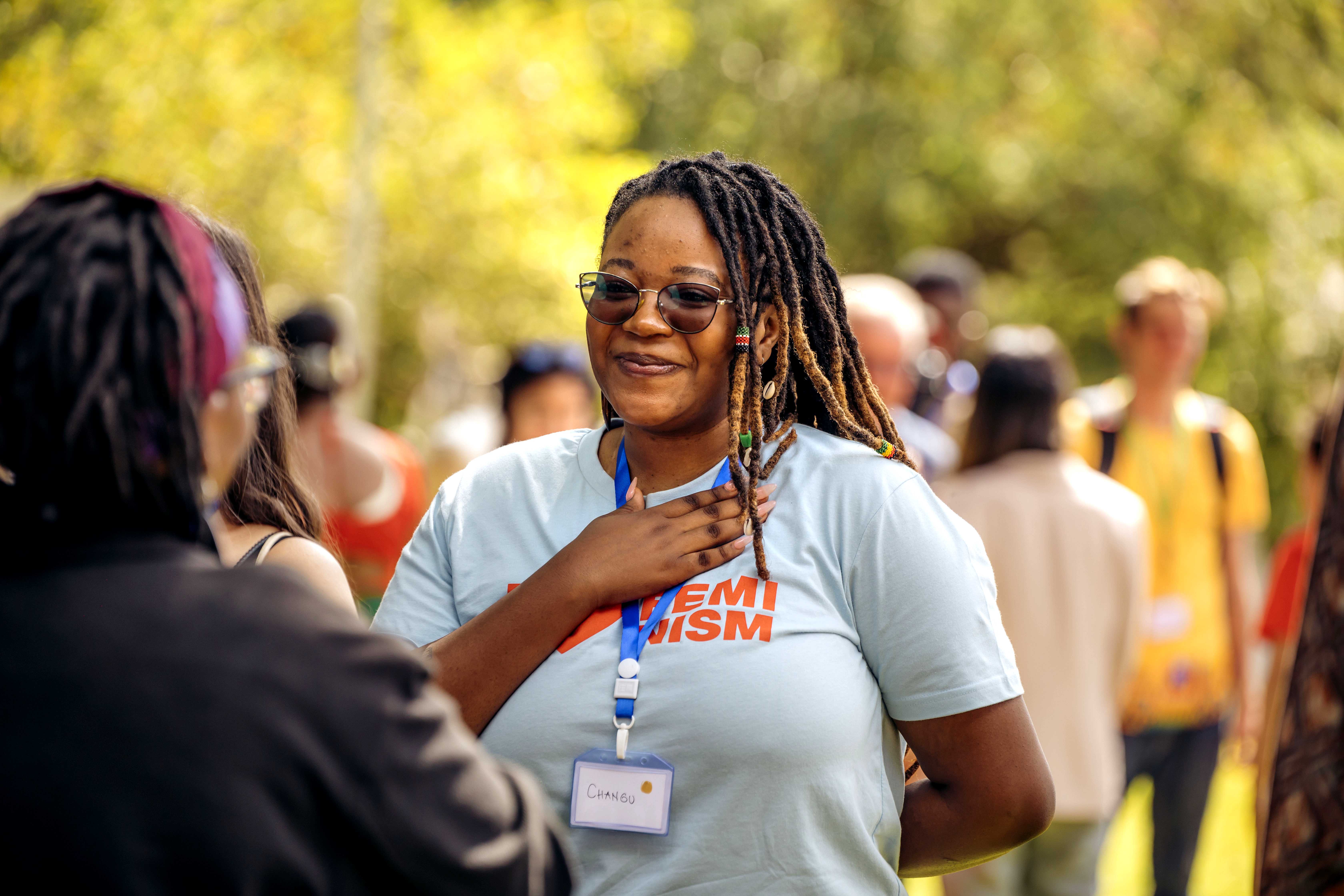
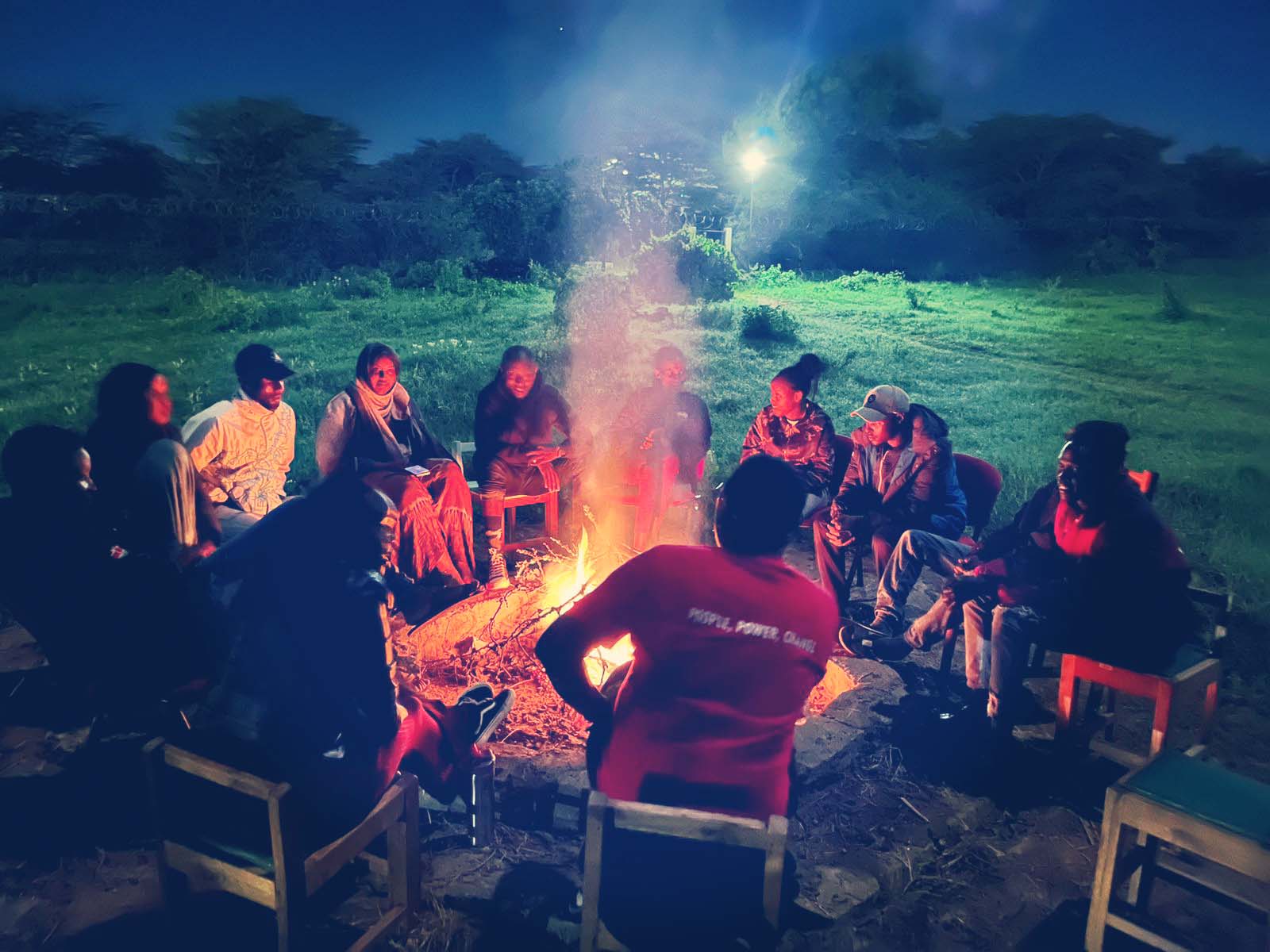
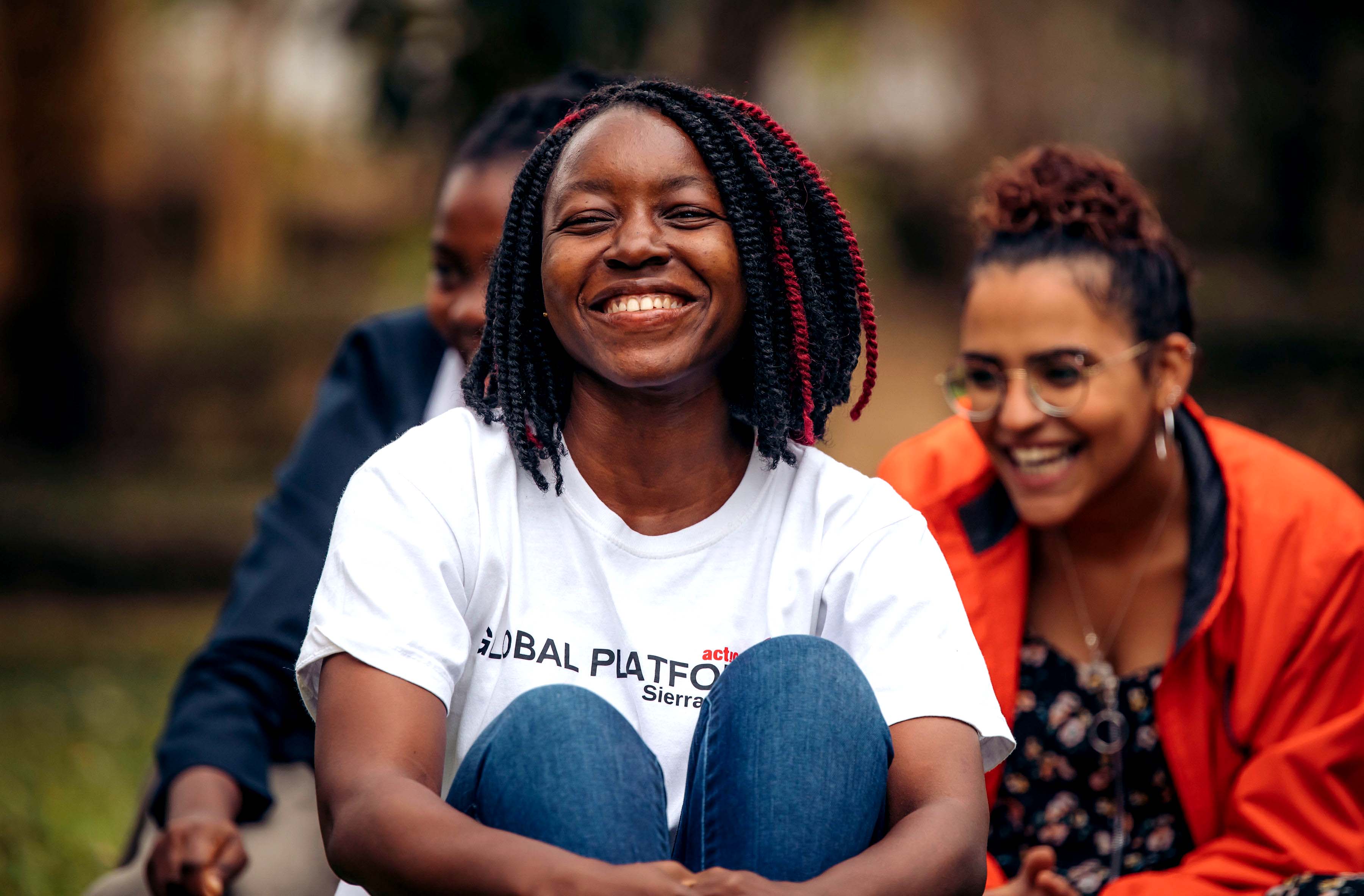
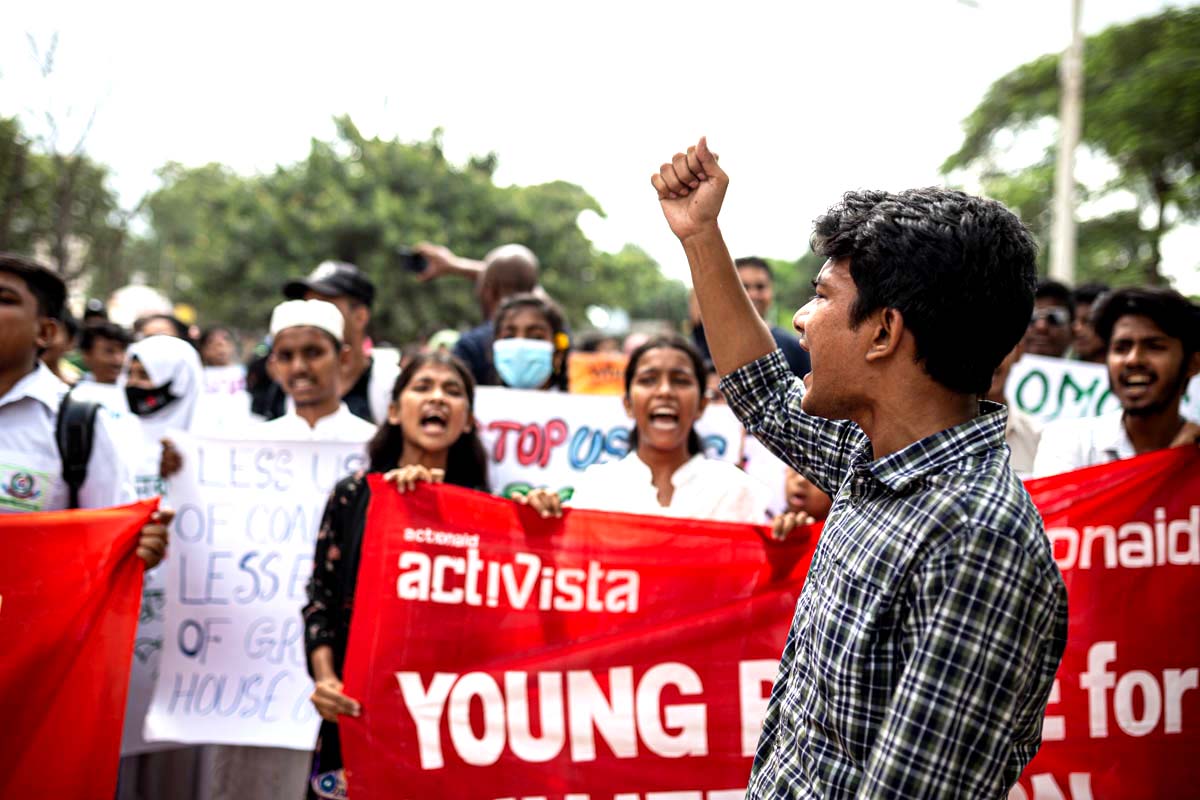
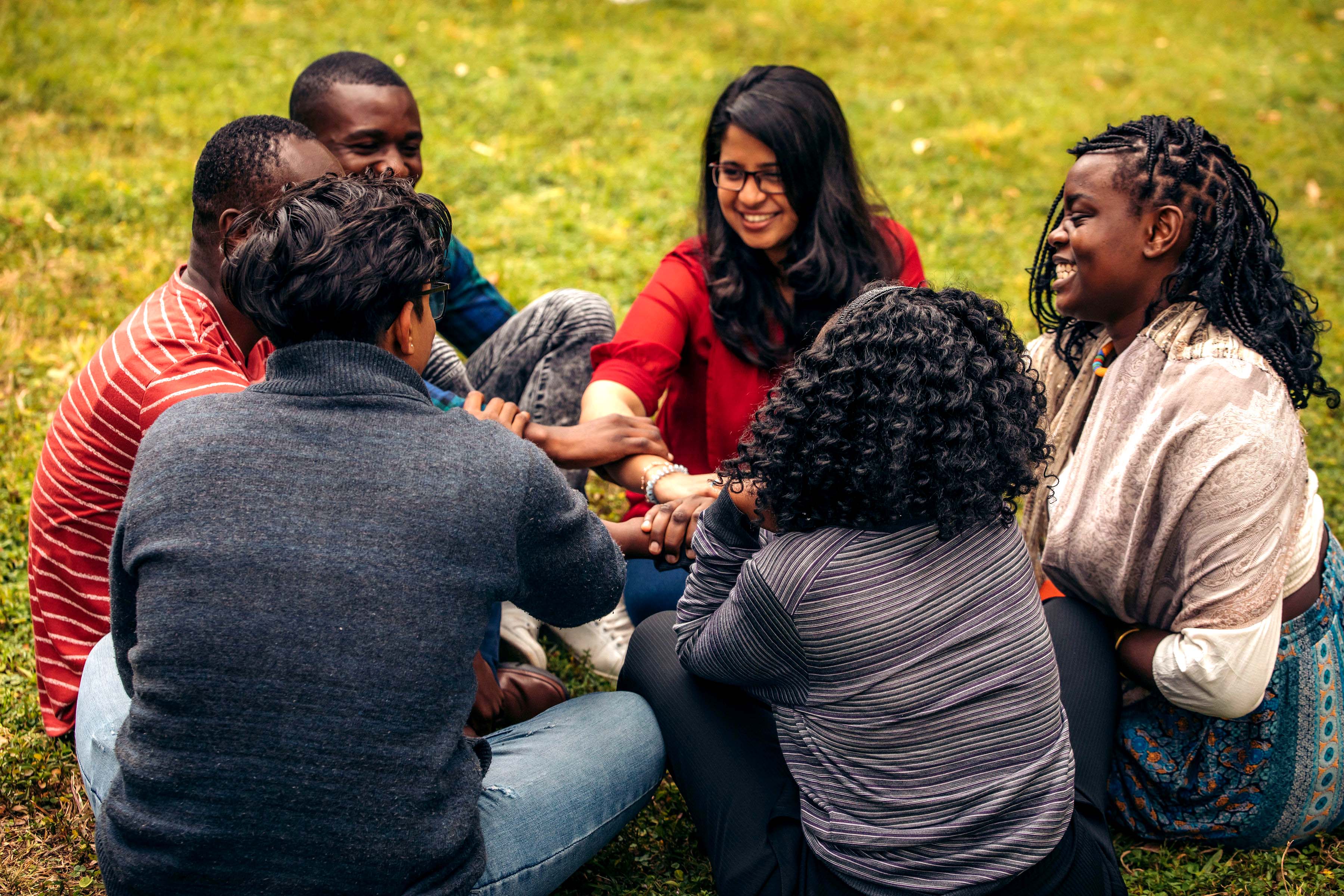
The Global Platforms Network supports young people, organisations and movements fighting for social justice through more than 100 platforms and youth-led initiatives across the world.
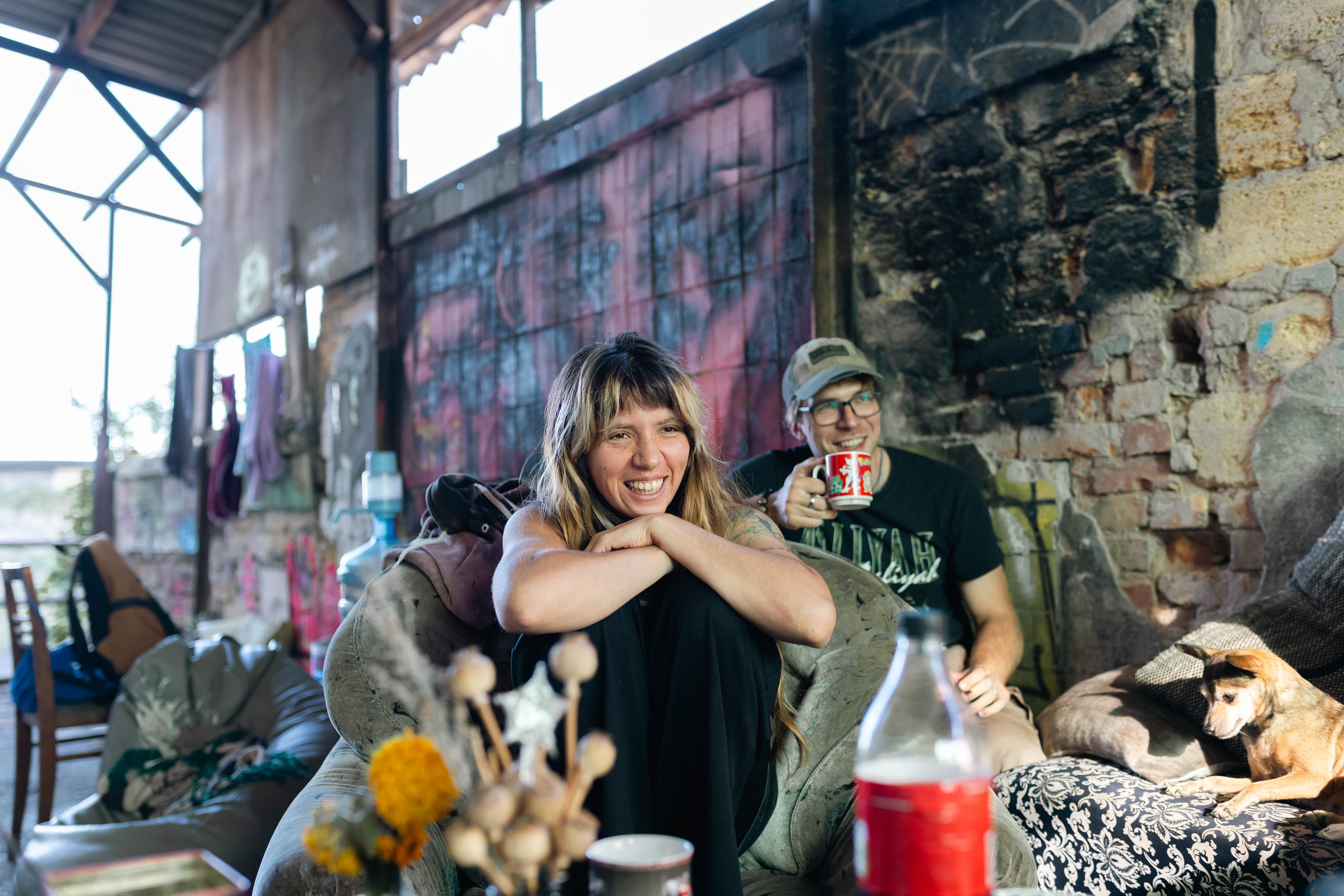
They see homelessness not as a moral failure but as a political and structural issue. Through art workshops, photography, documentary films, t-shirt printing, zines and other creative outlets they advocate for solidarity and for better political solutions. By treating people on the streets as individuals – not as problems – S.A.D. Collective are showing how grassroots movements can build a more democratic and caring society, both during the war and beyond.
Read moreOver recent years we have witnessed mass uprisings across the globe. Often spurred by young people around issues such as corruption, unemployment, nepotism, and the high cost of living, rapid mobilisations have sometimes led to concessions or even the toppling of corrupt, autocratic or violent governments. If you are a progressive youth movement, how do you influence power and shape the future? Can mass disruption transform into lasting political influence?
Read more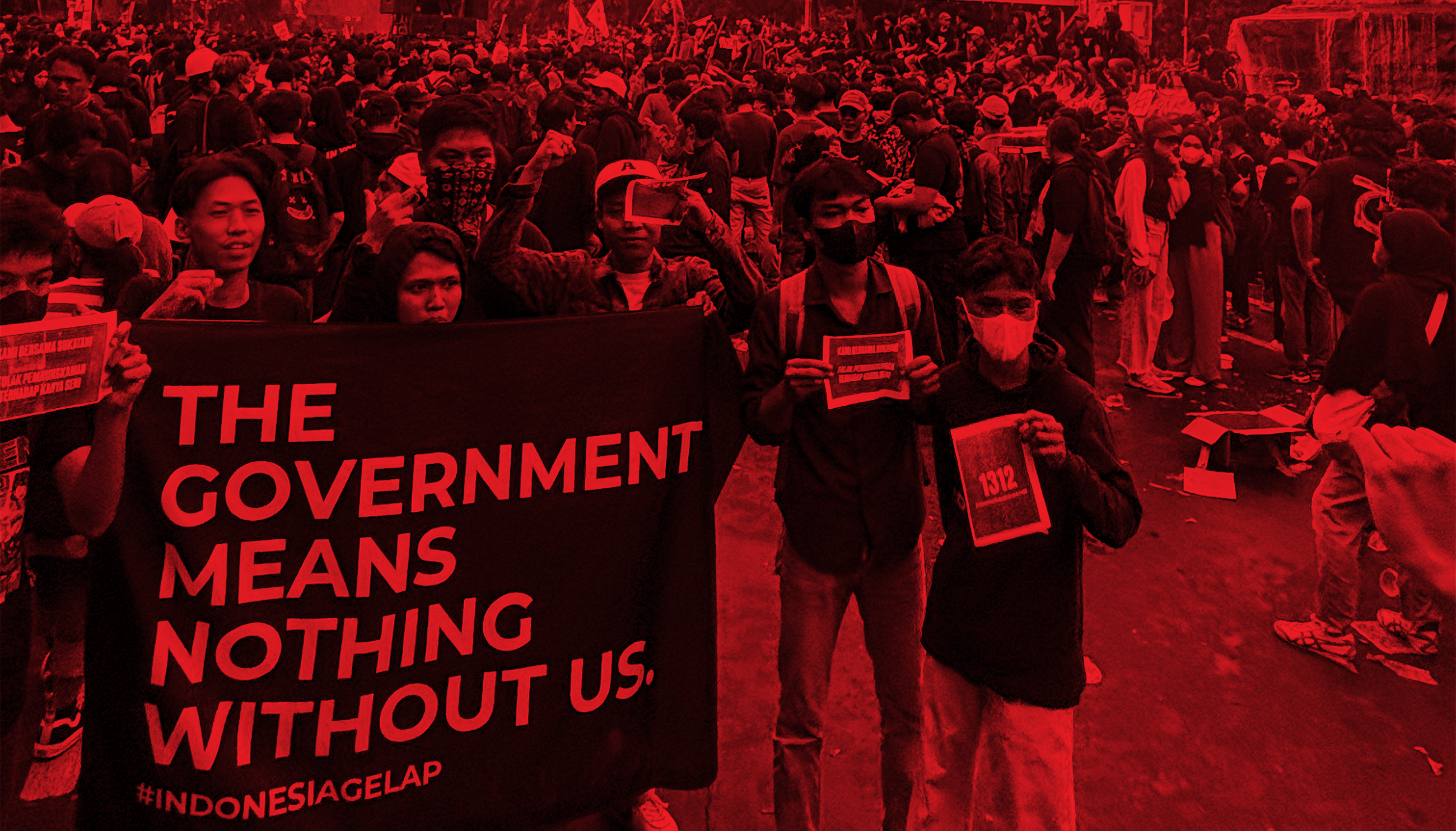
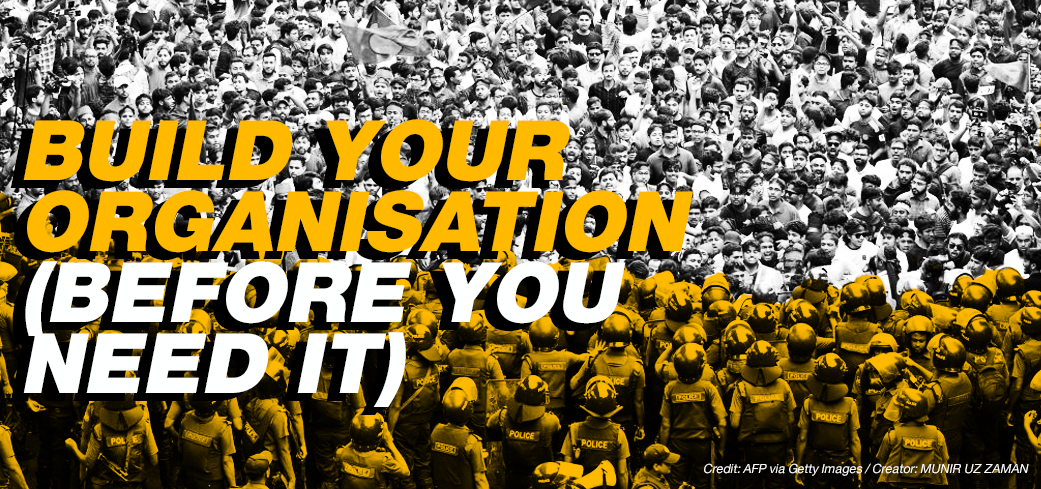
Right now, somewhere in the world, democracy and human rights are being defended by non-violent action. In recent years, Gen Z movements have held a Bangladeshi prime minister to account, caused the collapse of a corrupt governing coalition in Nepal, forced Kenya's president to scrap his own tax bill, and prompted Sri Lanka's head of state, who bankrupted his own country, to leave. Anyone claiming street protest is dead clearly hasn’t been paying attention. Yet one statistic should keep every political observer awake. From 1980 to 1999, nonviolent mass campaigns succeeded 65 percent of the time. Since 2010, that rate has fallen below 34 percent, according to political scientist Erica Chenoweth. The decline has two causes: governments studied how movements succeed and became better at stopping them, and protest movements became easier to start and harder to hold together. The most connected and adaptable generation of protesters is winning less than half as often as their parents did with just landlines and fax machines. The problem is not courage, numbers, or memes. It is what happens after the crowd departs. At MOVE (The Global Social Movement Center), we work directly with non-violent youth movements to protect human rights and democracy together. These are our shared lessons about the role of social movements and how they turn public pressure into political influence.
Read more