
Young Humanitarian Community

PHOTO: ActionAid
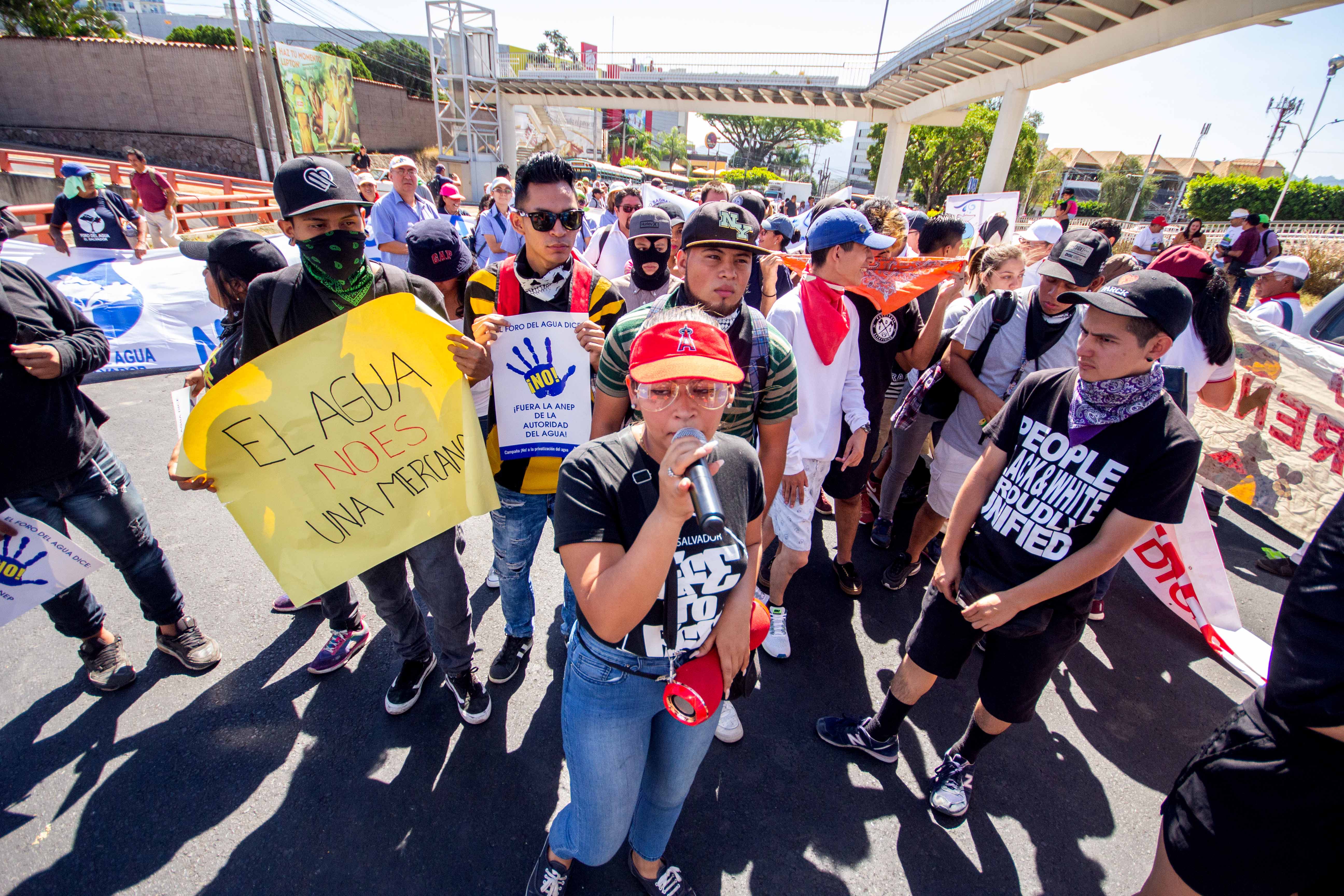
PHOTO: Bladimir Nolasco
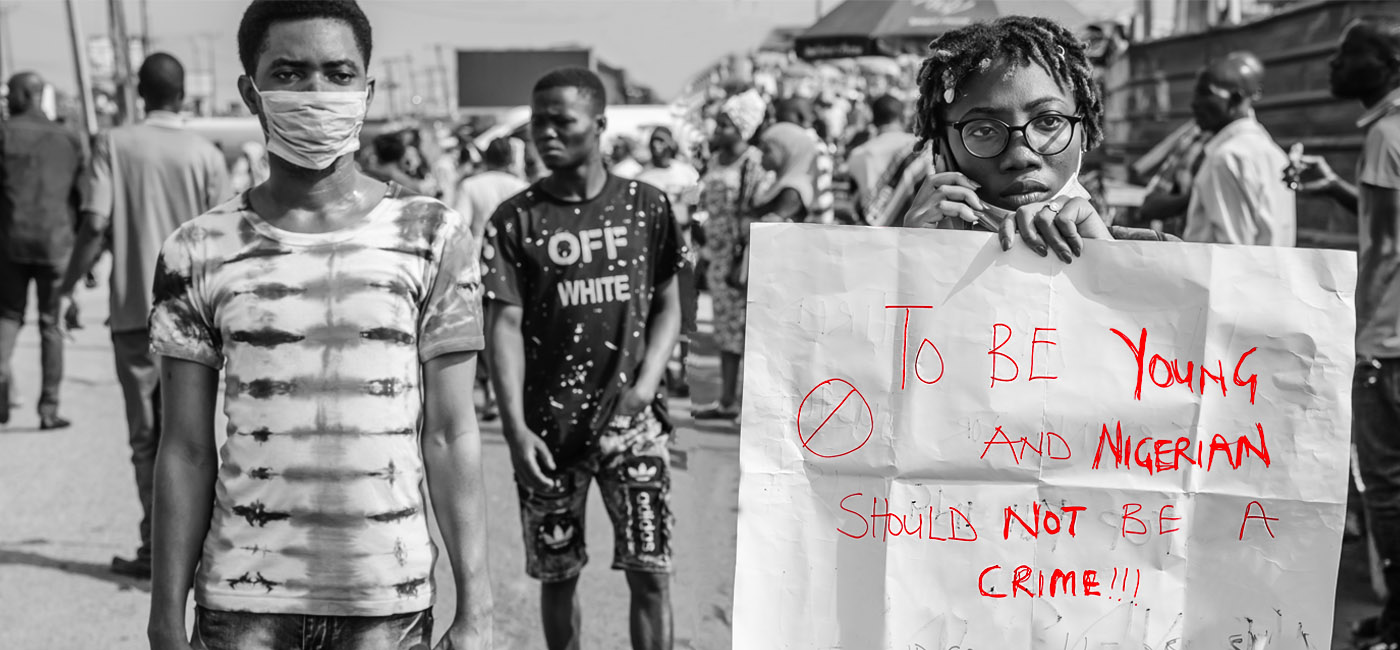
PHOTO: ActionAid
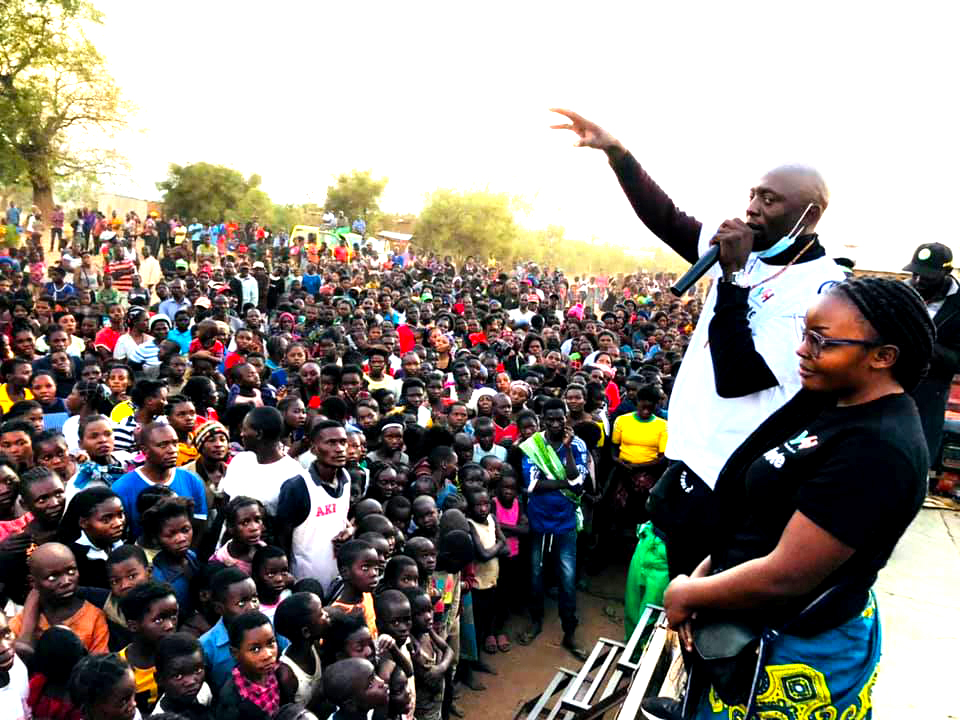
PHOTO: Youth4parliament

PHOTO: Bladimir Nolasco
HumanitarianLeadership
Are you a young humanitarian?
Or curious about the role
young people play
in humanitarian action?

JOIN THE YOUNG HUMANITARIAN DIGITAL COMMUNITY
The Young Humanitarian Digital Community, More Than First Responders, is a dynamic and safe space for young people in humanitarian contexts to come together, share common concerns, best practices,and knowledge through regular interactions to deepen their understanding.
Within this space, members co-create, share, and innovate ideas, tools, and methodologies for working with young people in humanitarian action by engaging in continuous learning and knowledge-sharing activities. Furthermore, the community is a platform for advocacy, solidarity campaigns, and international celebrations, fostering coordination among its members. It also provides access to a pool of trainers and experts, facilitating online mentorship and coaching sessions, through an online humanitarian learning space. The community is open to individuals passionate about building youth leadership in humanitarian action and young people actively involved in humanitarian efforts.
There is also a podcast! More Than First Responders, The Podcast, hosted by Global Platforms, is a podcast spotlighting the voices of young humanitarians who are reshaping the field from the ground up. Listen Now.
FEATURED RESOURCES
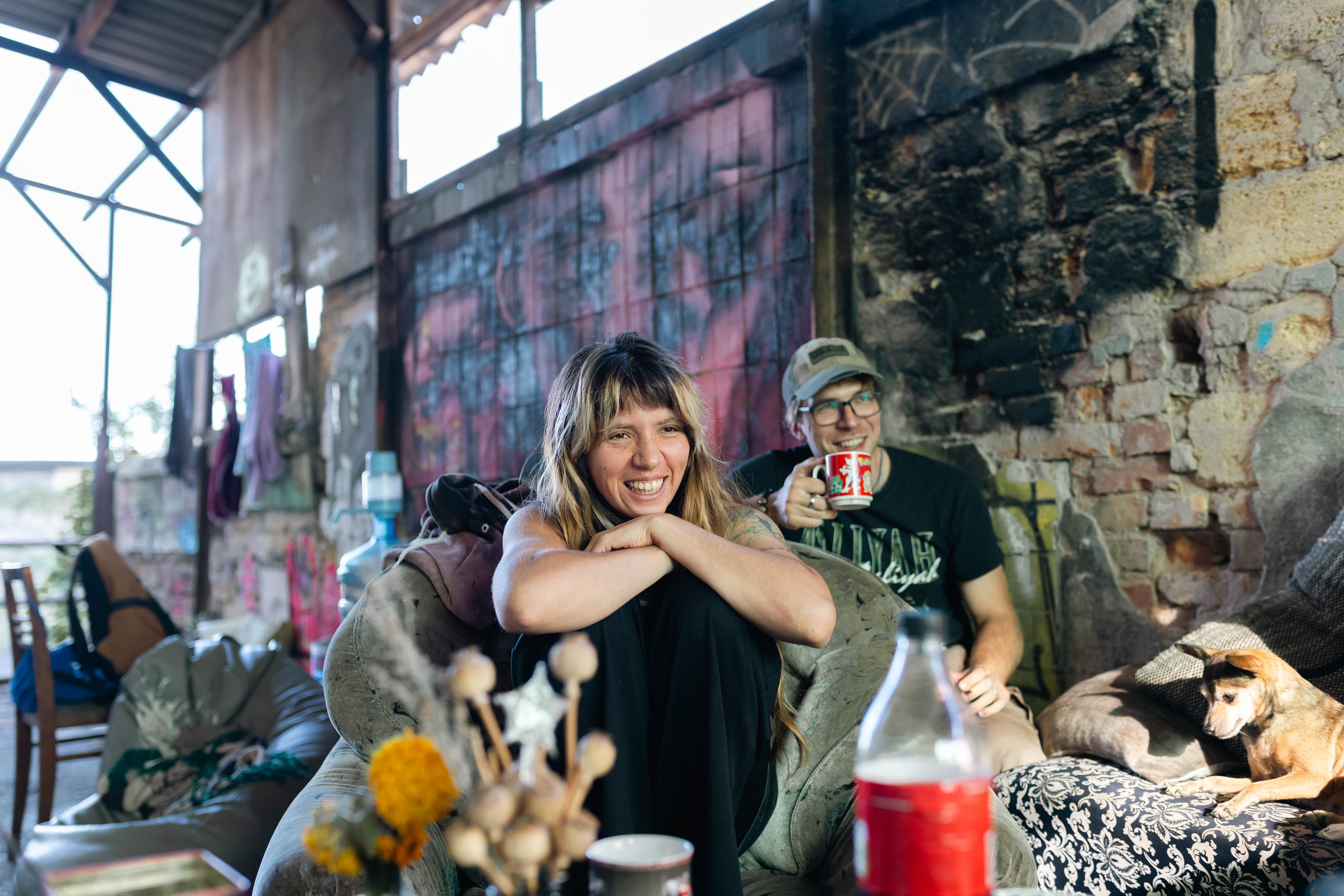
Rethinking Homelessness in Wartime Ukraine
They see homelessness not as a moral failure but as a political and structural issue. Through art workshops, photography, documentary films, t-shirt printing, zines and other creative outlets they advocate for solidarity and for better political solutions. By treating people on the streets as individuals – not as problems – S.A.D. Collective are showing how grassroots movements can build a more democratic and caring society, both during the war and beyond.
Read more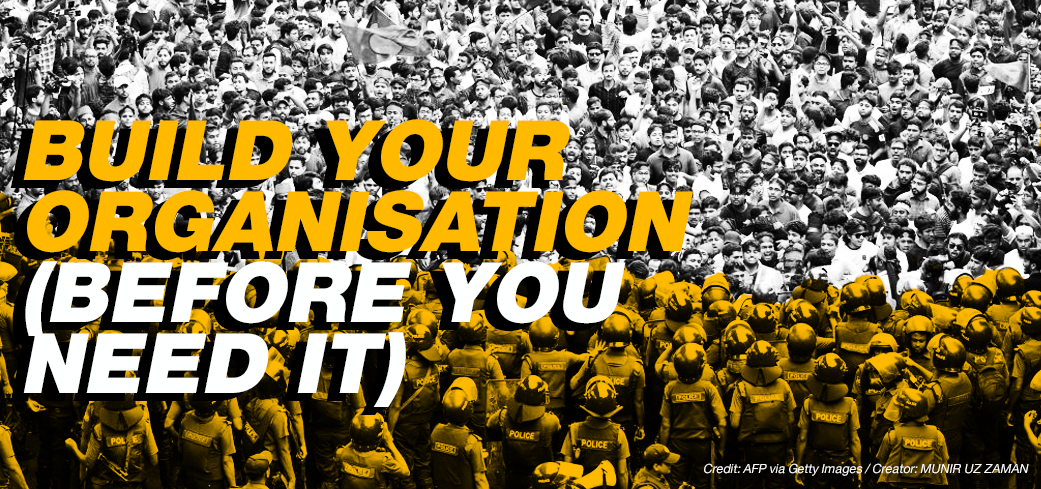
ON THE MOVE #8: Build your Organisation (before you need it)
Over recent years we have witnessed mass uprisings across the globe. Often spurred by young people around issues such as corruption, unemployment, nepotism, and the high cost of living, rapid mobilisations have sometimes led to concessions or even the toppling of corrupt, autocratic or violent governments. If you are a progressive youth movement, how do you influence power and shape the future? Can mass disruption transform into lasting political influence?
Read more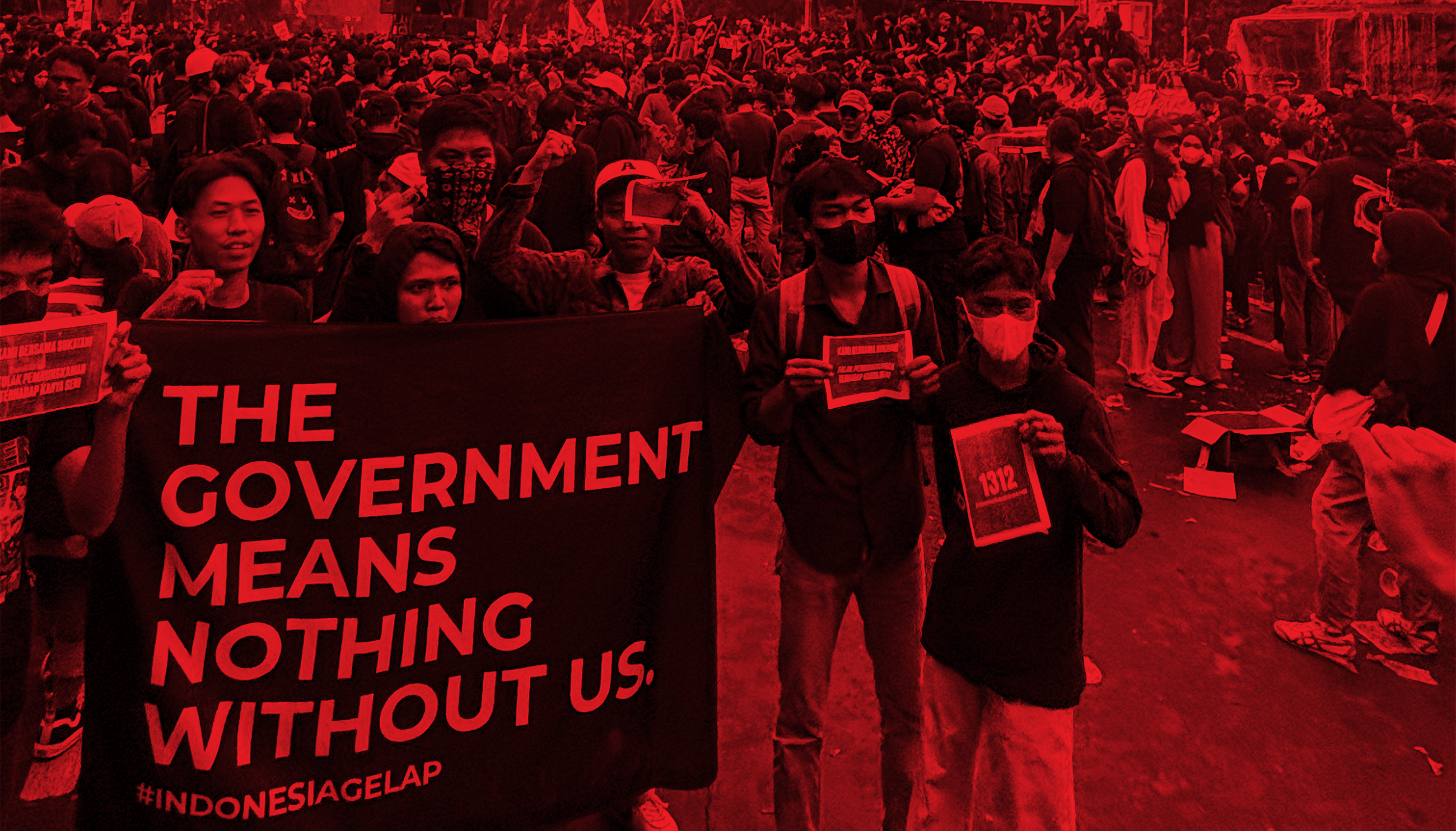
Across That Fine Line
Right now, somewhere in the world, democracy and human rights are being defended by non-violent action. In recent years, Gen Z movements have held a Bangladeshi prime minister to account, caused the collapse of a corrupt governing coalition in Nepal, forced Kenya's president to scrap his own tax bill, and prompted Sri Lanka's head of state, who bankrupted his own country, to leave. Anyone claiming street protest is dead clearly hasn’t been paying attention. Yet one statistic should keep every political observer awake. From 1980 to 1999, nonviolent mass campaigns succeeded 65 percent of the time. Since 2010, that rate has fallen below 34 percent, according to political scientist Erica Chenoweth. The decline has two causes: governments studied how movements succeed and became better at stopping them, and protest movements became easier to start and harder to hold together. The most connected and adaptable generation of protesters is winning less than half as often as their parents did with just landlines and fax machines. The problem is not courage, numbers, or memes. It is what happens after the crowd departs. At MOVE (The Global Social Movement Center), we work directly with non-violent youth movements to protect human rights and democracy together. These are our shared lessons about the role of social movements and how they turn public pressure into political influence.
Read more