
The Young Activist #18: Not Business As Usual
Related resources
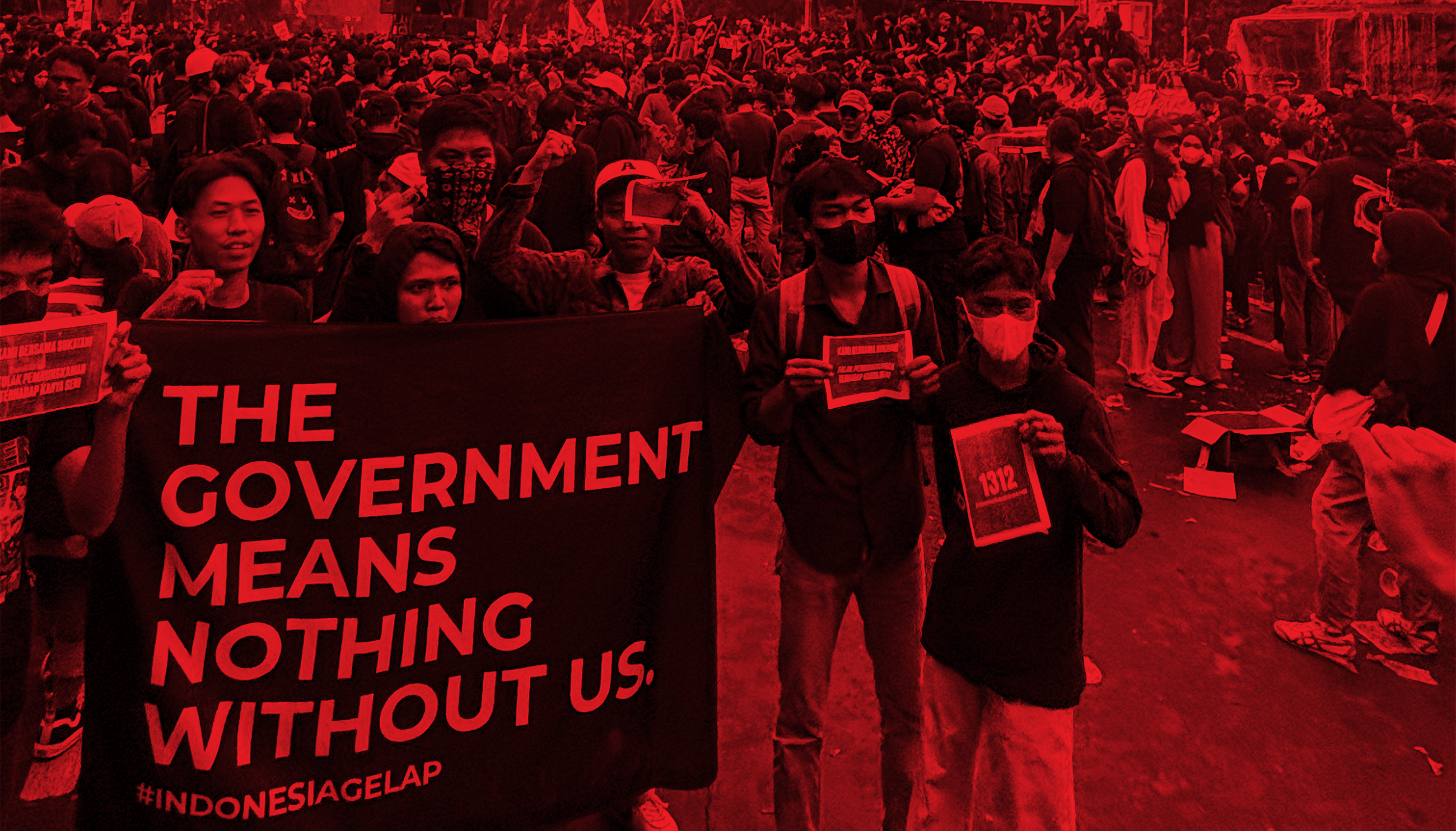
Across That Fine Line
Right now, somewhere in the world, democracy and human rights are being defended by non-violent action. In recent years, Gen Z movements have held a Bangladeshi prime minister to account, caused the collapse of a corrupt governing coalition in Nepal, forced Kenya's president to scrap his own tax bill, and prompted Sri Lanka's head of state, who bankrupted his own country, to leave. Anyone claiming street protest is dead clearly hasn’t been paying attention. Yet one statistic should keep every political observer awake. From 1980 to 1999, nonviolent mass campaigns succeeded 65 percent of the time. Since 2010, that rate has fallen below 34 percent, according to political scientist Erica Chenoweth. The decline has two causes: governments studied how movements succeed and became better at stopping them, and protest movements became easier to start and harder to hold together. The most connected and adaptable generation of protesters is winning less than half as often as their parents did with just landlines and fax machines. The problem is not courage, numbers, or memes. It is what happens after the crowd departs. At MOVE (The Global Social Movement Center), we work directly with non-violent youth movements to protect human rights and democracy together. These are our shared lessons about the role of social movements and how they turn public pressure into political influence.
Read more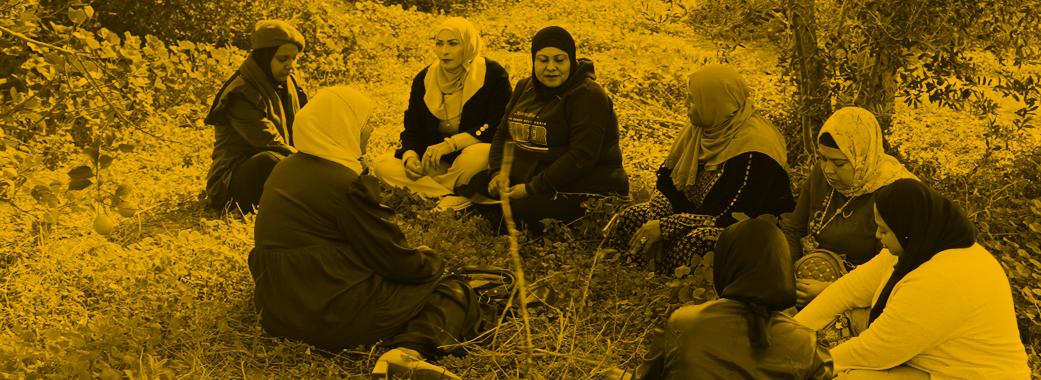
ON THE MOVE #5: ORGANISE: COLLECTIVE REFLECTION & ACTION
The process of liberation must be led by those who are oppressed themselves. This edition of ON THE MOVE is focused on Popular Education, a form of learning focusing on developing critical awareness of one’s social reality through reflection and action.
Read more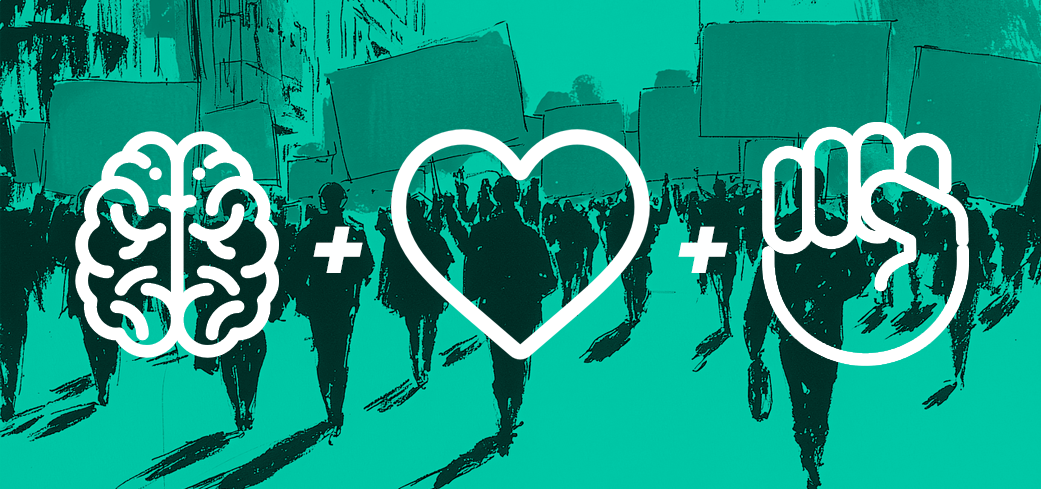
ON THE MOVE #4: SUSTAINING YOUR STRUGGLE WITH CARE
Across many movements there is a deep exhaustion that comes from seeing the world aflame. Hard‑won gains for peace, rights, and justice are being rolled back. This edition explores a simple but powerful insight: care is not a distraction from political struggle — it is part of what makes struggle sustainable.
Read more