
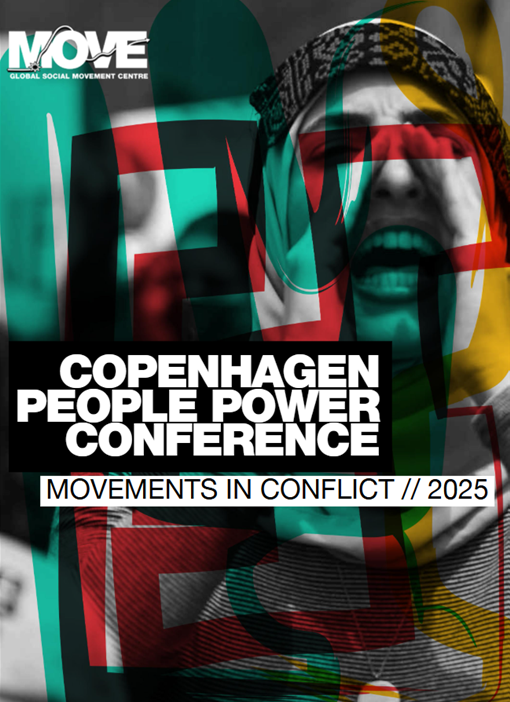
The Copenhagen People Power Conference 2025
The Copenhagen People Power Conference 2025 (CPPC25) was born out of a shared sense of urgency: We stand at a crossroads for world peace. The past decade has seen wars that have displaced millions, flattened communities, and eroded trust between neighbors. Global leaders have increasingly relied on military power to achieve their aims while rarely addressing the root causes of violent conflict. The role of social movements therefore is more vital than ever. Social movements are critical peacemaking agents in their own right—able to transform conflicts and build models of peace that are just, inclusive, and sustainable.
A key take away from CPPC25 is, that we stand at this crossroads not only because wars persist, but because justice is absent. True peace can only be built with the people most affected at the centre. Social movements are vital to this transformation. The conference therefore carried a clear mission: to increase visibility and support for social movements that work to foster "just peace from below" — a peace that not only ends violence but also dismantles the underlying inequalities fueling it.
Related resources
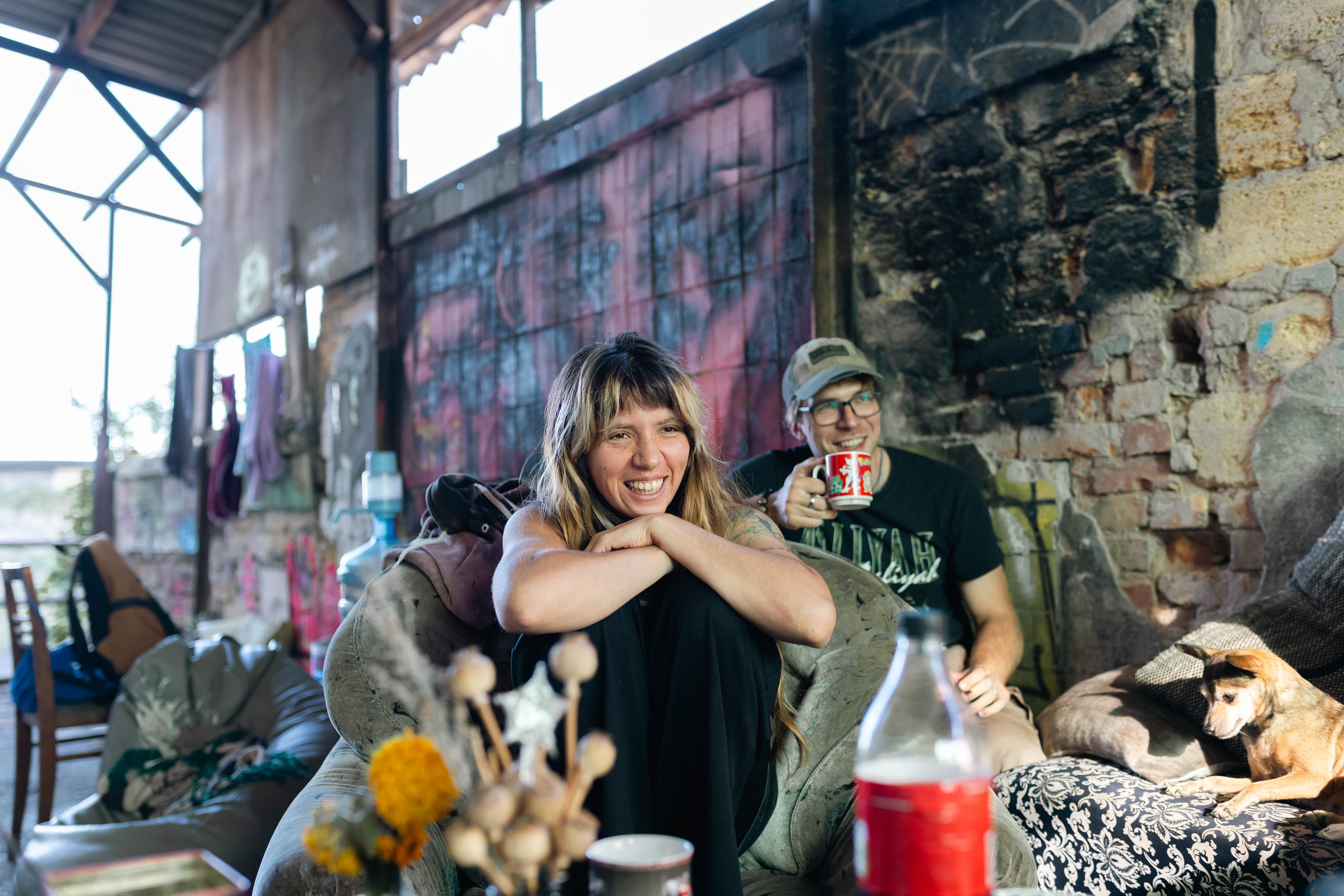
Rethinking Homelessness in Wartime Ukraine
They see homelessness not as a moral failure but as a political and structural issue. Through art workshops, photography, documentary films, t-shirt printing, zines and other creative outlets they advocate for solidarity and for better political solutions. By treating people on the streets as individuals – not as problems – S.A.D. Collective are showing how grassroots movements can build a more democratic and caring society, both during the war and beyond.
Read more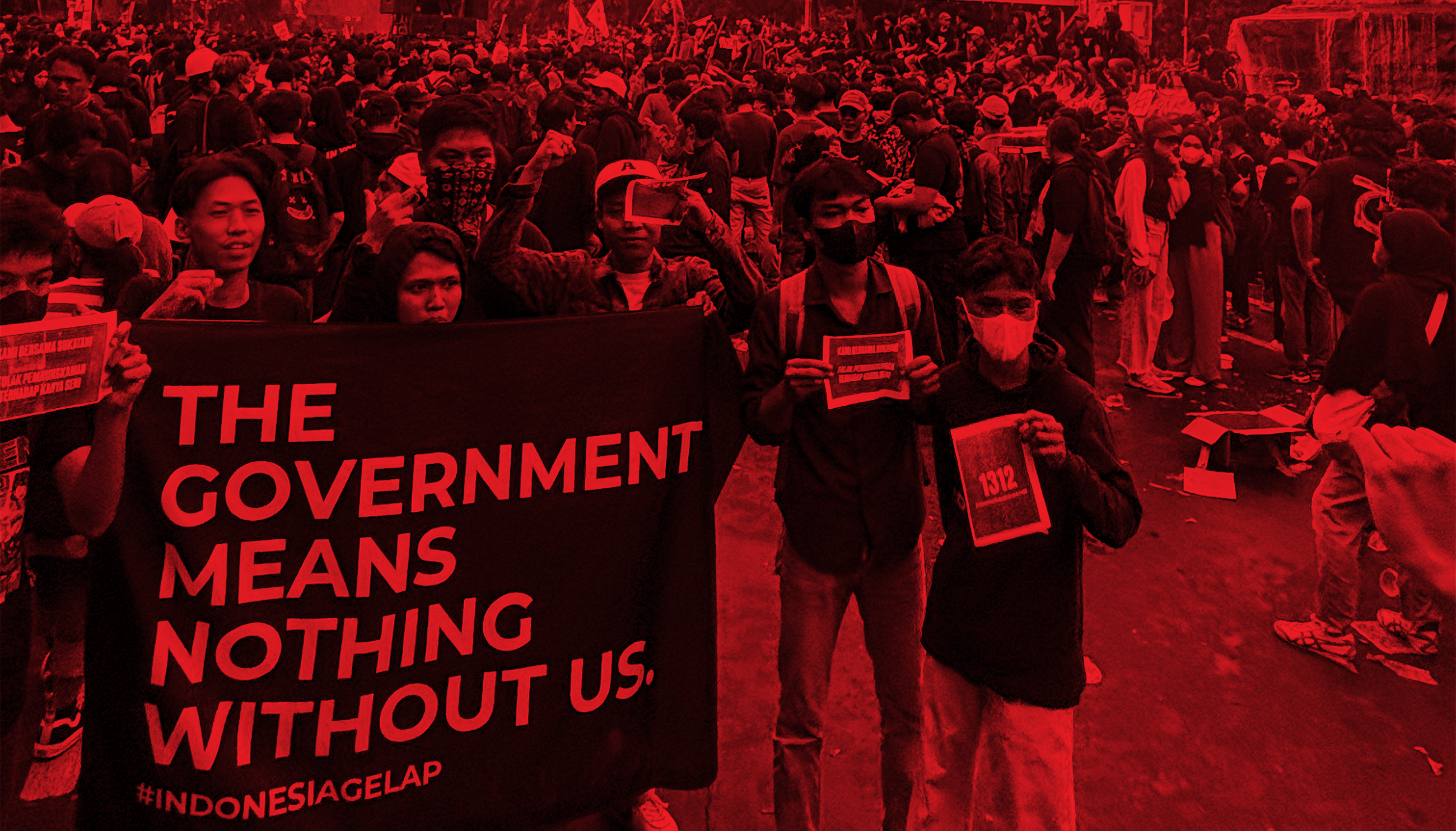
Across That Fine Line
Right now, somewhere in the world, democracy and human rights are being defended by non-violent action. In recent years, Gen Z movements have held a Bangladeshi prime minister to account, caused the collapse of a corrupt governing coalition in Nepal, forced Kenya's president to scrap his own tax bill, and prompted Sri Lanka's head of state, who bankrupted his own country, to leave. Anyone claiming street protest is dead clearly hasn’t been paying attention. Yet one statistic should keep every political observer awake. From 1980 to 1999, nonviolent mass campaigns succeeded 65 percent of the time. Since 2010, that rate has fallen below 34 percent, according to political scientist Erica Chenoweth. The decline has two causes: governments studied how movements succeed and became better at stopping them, and protest movements became easier to start and harder to hold together. The most connected and adaptable generation of protesters is winning less than half as often as their parents did with just landlines and fax machines. The problem is not courage, numbers, or memes. It is what happens after the crowd departs. At MOVE (The Global Social Movement Center), we work directly with non-violent youth movements to protect human rights and democracy together. These are our shared lessons about the role of social movements and how they turn public pressure into political influence.
Read more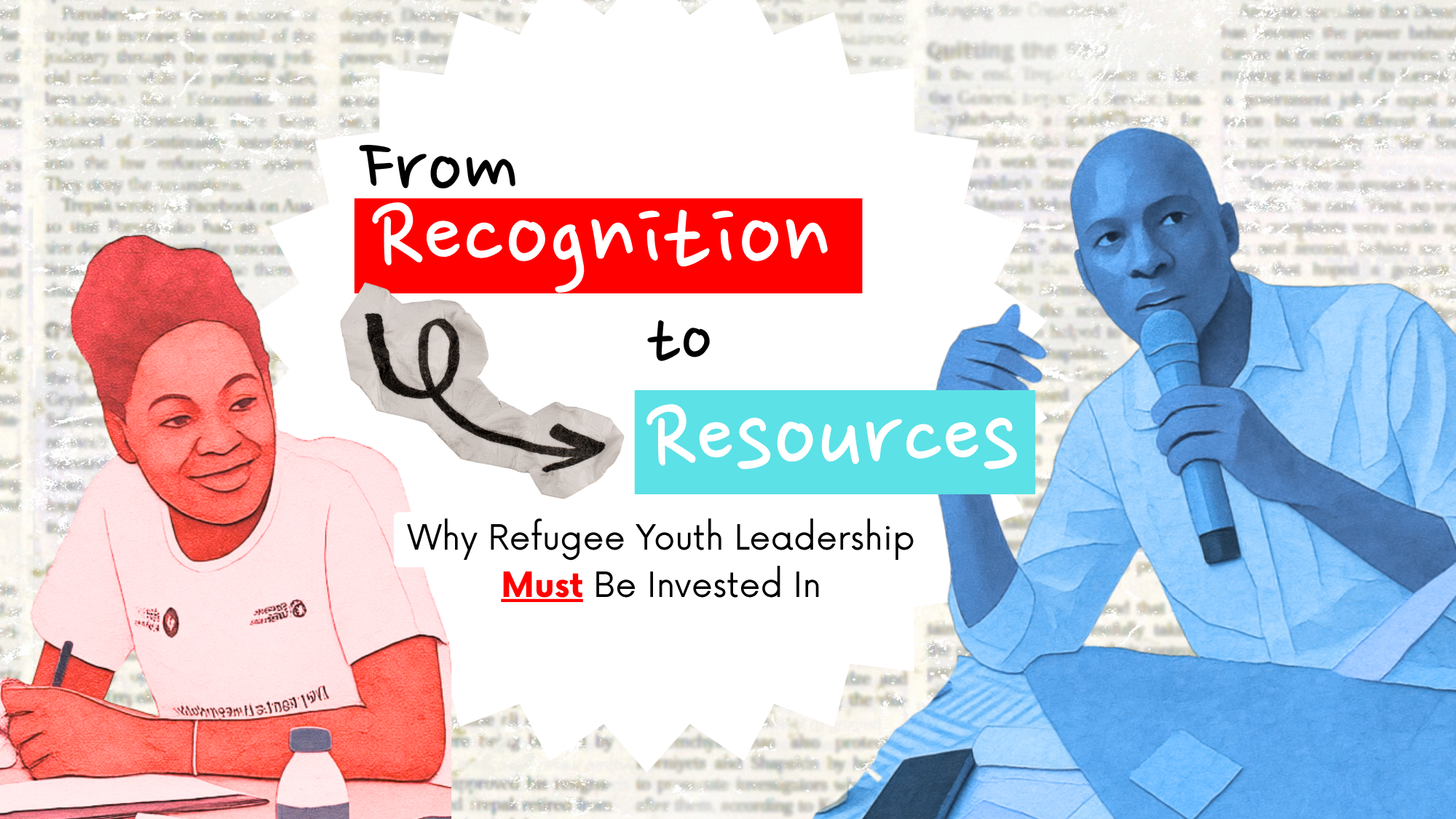
From Recognition to Resources: Why Refugee Youth Leadership Must Be Invested In.
Every year, World Refugee Day offers an opportunity to celebrate the resilience, strength, and contributions of refugees around the world. Social media platforms fill with messages of solidarity, organizations spotlight inspiring refugee stories, and global leaders reaffirm commitments to inclusion and protection. Yet once the campaigns end and the hashtags fade, an uncomfortable question remains: Who is Investing in Refugee Youth Leadership?
Read more