
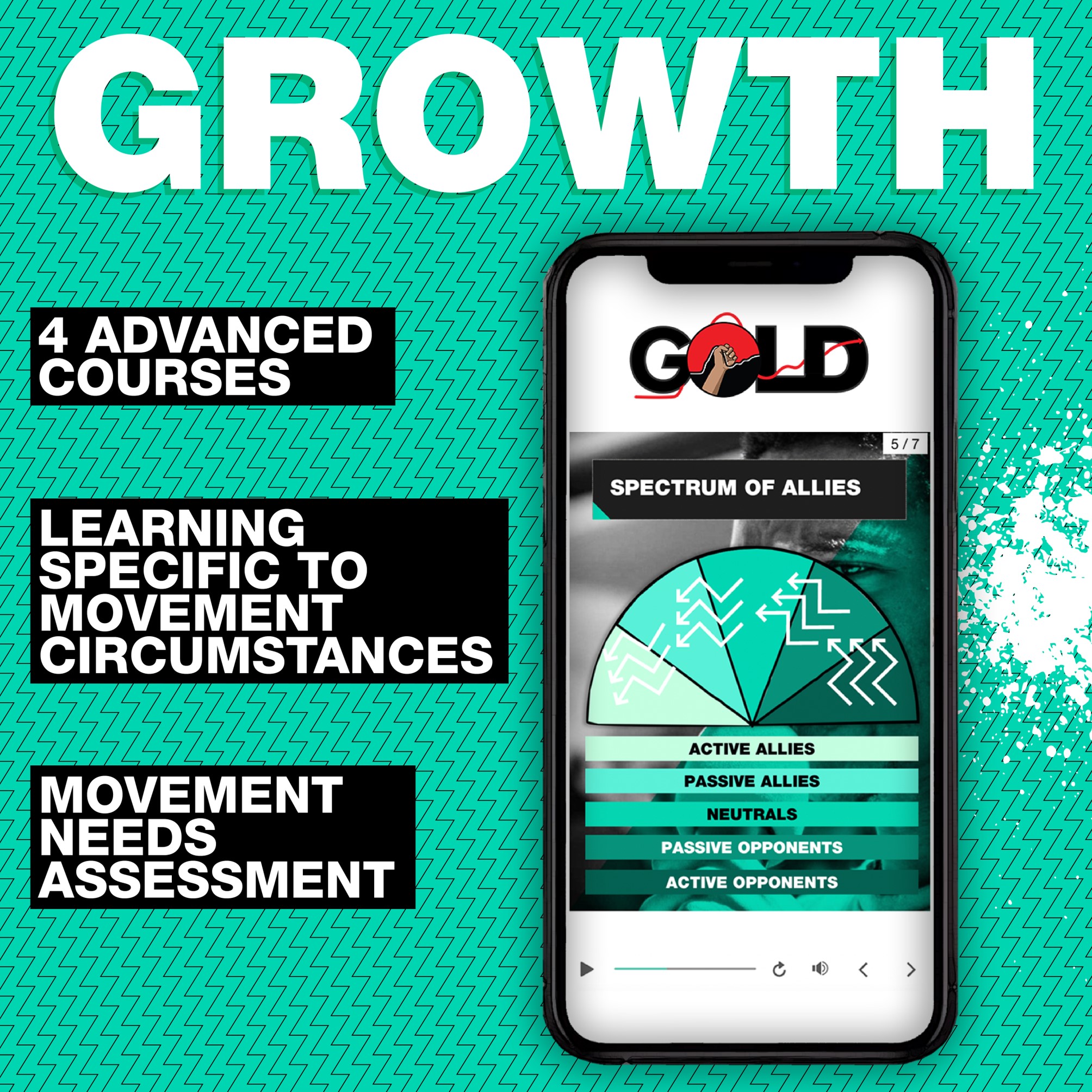
GROWTH - Global Organising and Leadership Development (GOLD) Programme

The purpose of the Growth Stage is capacity building the activists, after having completed the Entry Stage, on specifics of the Movement Cycle stage they are in - characteristics, expectations, appropriate and tested strategies and tactics, common mistakes, good practices, and moving forward. The stage is done in groups of 2-4 activists from the same movement/initiative. Each module offers timely intervention and resources they can immediately implement in their context. They work together with other movements who are in the same phase in the course.
Once you have completed all 6 Entry courses, you will automatically be enrolled in the Introduction to GROWTH course. From there you can enrol the GROWTH course of your choice.
Related resources
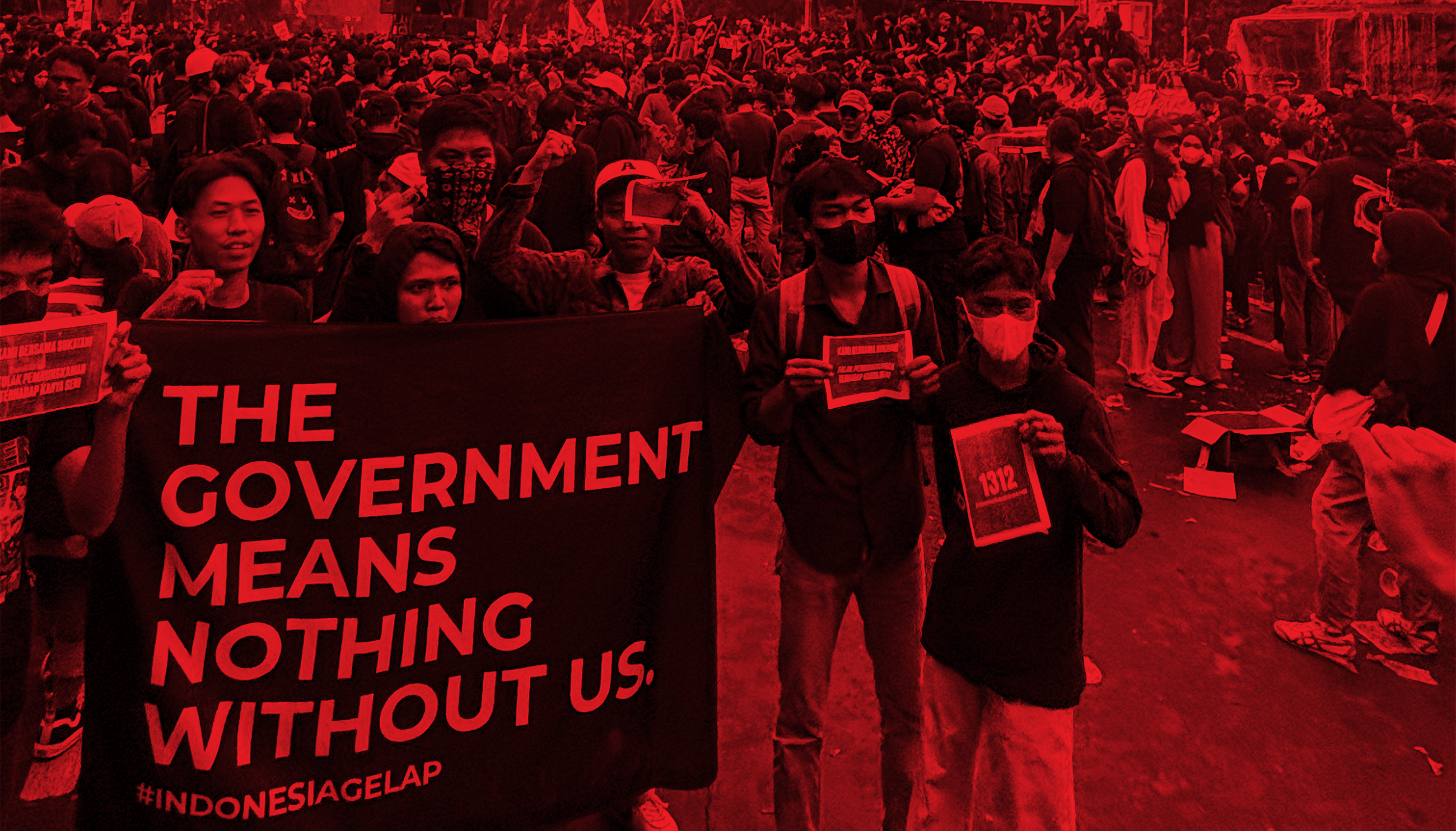
Across That Fine Line
Right now, somewhere in the world, democracy and human rights are being defended by non-violent action. In recent years, Gen Z movements have held a Bangladeshi prime minister to account, caused the collapse of a corrupt governing coalition in Nepal, forced Kenya's president to scrap his own tax bill, and prompted Sri Lanka's head of state, who bankrupted his own country, to leave. Anyone claiming street protest is dead clearly hasn’t been paying attention. Yet one statistic should keep every political observer awake. From 1980 to 1999, nonviolent mass campaigns succeeded 65 percent of the time. Since 2010, that rate has fallen below 34 percent, according to political scientist Erica Chenoweth. The decline has two causes: governments studied how movements succeed and became better at stopping them, and protest movements became easier to start and harder to hold together. The most connected and adaptable generation of protesters is winning less than half as often as their parents did with just landlines and fax machines. The problem is not courage, numbers, or memes. It is what happens after the crowd departs. At MOVE (The Global Social Movement Center), we work directly with non-violent youth movements to protect human rights and democracy together. These are our shared lessons about the role of social movements and how they turn public pressure into political influence.
Read more
The Young Activist #18: Not Business As Usual
In this edition of The Young Activist, we take a moment to pause business as usual, to think about it - while also turning toward what helps us stay grounded and engaged.
Read more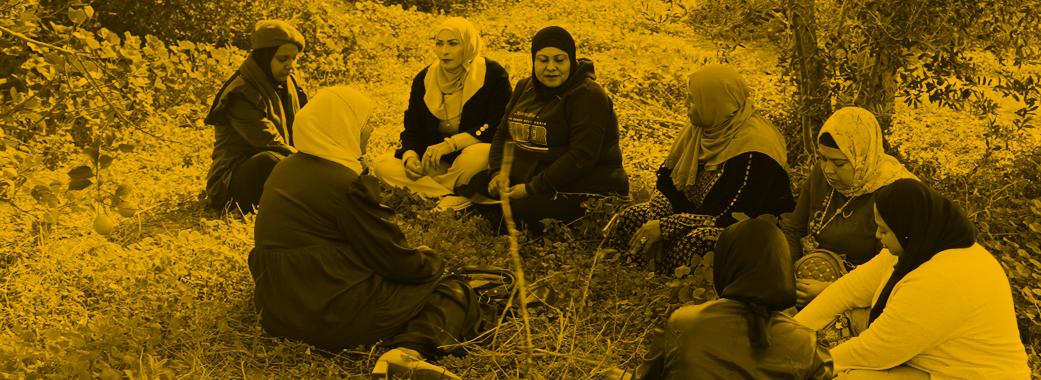
ON THE MOVE #5: ORGANISE: COLLECTIVE REFLECTION & ACTION
The process of liberation must be led by those who are oppressed themselves. This edition of ON THE MOVE is focused on Popular Education, a form of learning focusing on developing critical awareness of one’s social reality through reflection and action.
Read more